November 23, 2026
Xeriscaping is a landscaping approach that emphasizes water conservation through strategic plant selection, efficient irrigation, and thoughtful outdoor design. Originally developed for arid regions, this method has become popular among homeowners looking to reduce water consumption without sacrificing visual appeal. By incorporating drought-resistant plants, natural materials, and practical landscaping techniques, homeowners can create attractive outdoor spaces that require less maintenance.
Beyond reducing watering requirements, well-planned landscapes can support local wildlife, improve soil health, and complement the surrounding environment. They can also provide more consistent outdoor appeal without the demands of traditional lawns. Understanding the principles of xeriscape design helps homeowners create sustainable outdoor spaces that balance beauty and practicality.
1. Understanding Water Conservation Principles
Choosing Water-Efficient Lawn Alternatives
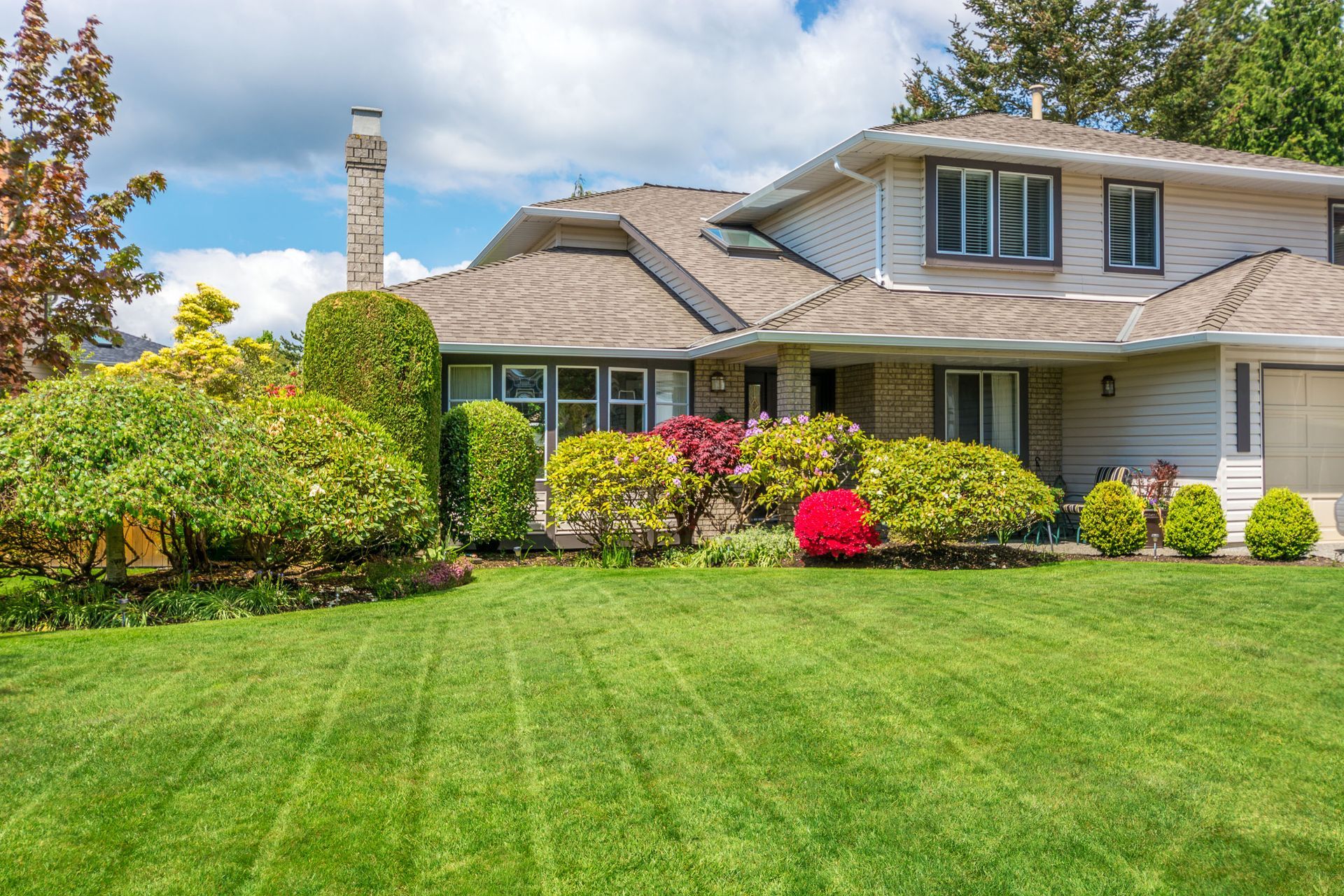
Traditional grass lawns often require substantial amounts of water, particularly during warmer months. Xeriscaping offers alternatives such as clover, creeping thyme, and sedum, which provide natural ground coverage with fewer watering requirements. Artificial turf is another option for homeowners who want the appearance of grass without regular irrigation.
Replacing portions of a lawn with drought-tolerant plants, gravel, or decorative stone can further reduce water consumption. Pathways and rock gardens also introduce different textures, creating attractive outdoor spaces with less ongoing maintenance. Combining these elements with carefully arranged planting beds helps establish a landscape that looks complete without relying on extensive grass coverage.
The financial advantages can be significant. According to Lawn Love, xeriscaping can reduce outdoor water costs by 30% to 60% or more. These savings make water-efficient landscaping an appealing long-term investment for homeowners.
Organizing Plants by Water Requirements
Grouping plants according to their watering needs, commonly called hydrozoning, allows irrigation systems to distribute water more efficiently. Plants with similar moisture requirements are placed together, preventing drought-tolerant varieties from receiving unnecessary irrigation.
Landscapes can be divided into high-, moderate-, and low-water-use zones. This arrangement simplifies watering schedules while allowing homeowners to create attractive planting combinations. It also makes xeriscape design easier to maintain because plants within each zone have similar care requirements.
Improving Soil Quality and Moisture Retention
Healthy soil provides an important foundation for water-efficient landscaping. Adding organic compost improves soil structure, increases moisture retention, and provides nutrients that support plant development. These improvements are particularly valuable when establishing new planting beds.
Mulching and cover cropping can further improve soil conditions. These practices protect exposed soil, reduce evaporation, and suppress weeds. Preparing the soil before installing new plants encourages stronger root systems and helps vegetation withstand dry conditions. Testing soil composition before making amendments can also help homeowners identify specific improvements their planting areas need.
Applying Mulch for Better Protection
Mulch helps conserve moisture by covering exposed soil and limiting evaporation. It also suppresses weeds, regulates soil temperatures, and protects plant roots. Common options include wood chips, bark, straw, gravel, and decorative stones.
Organic mulch gradually breaks down and adds nutrients to the soil, while inorganic materials last longer and provide a decorative appearance. Both options complement xeriscape design, depending on the landscape's planting choices and aesthetic.
Installing Efficient Irrigation Systems
Even drought-tolerant plants need water, particularly while becoming established. Drip irrigation delivers moisture directly to plant roots while minimizing runoff and evaporation. Automated controllers with weather sensors can also adjust watering schedules according to changing conditions.
Rainwater harvesting provides another conservation opportunity. Rain barrels and collection systems capture precipitation for later irrigation, reducing dependence on municipal water supplies. Regularly inspecting irrigation equipment for leaks and watering during cooler morning hours further improves efficiency. Homeowners should also adjust watering schedules as plants mature, since established drought-tolerant varieties generally require less supplemental moisture. These practices help maintain the benefits of xeriscape design throughout the year.
2. Selecting Plants for Long-Term Performance
Incorporating Native Plant Varieties
Native plants are valuable in water-efficient landscapes because they are naturally adapted to local climate conditions. These species often tolerate seasonal rainfall patterns and local soil characteristics better than non-native alternatives.
Many native varieties require less supplemental watering once established and provide food and shelter for local wildlife. Their distinctive colors, textures, and growth patterns also help landscapes reflect the natural character of their surroundings.
Choosing appropriate species requires considering mature sizes, sunlight requirements, and seasonal growth habits. Combining different native plants creates visual depth while supporting local biodiversity. Homeowners should also consider which species naturally grow together in their region to create compatible planting arrangements. Selecting regionally appropriate vegetation is an important part of successful xeriscape design.
Choosing Drought-Resistant Varieties
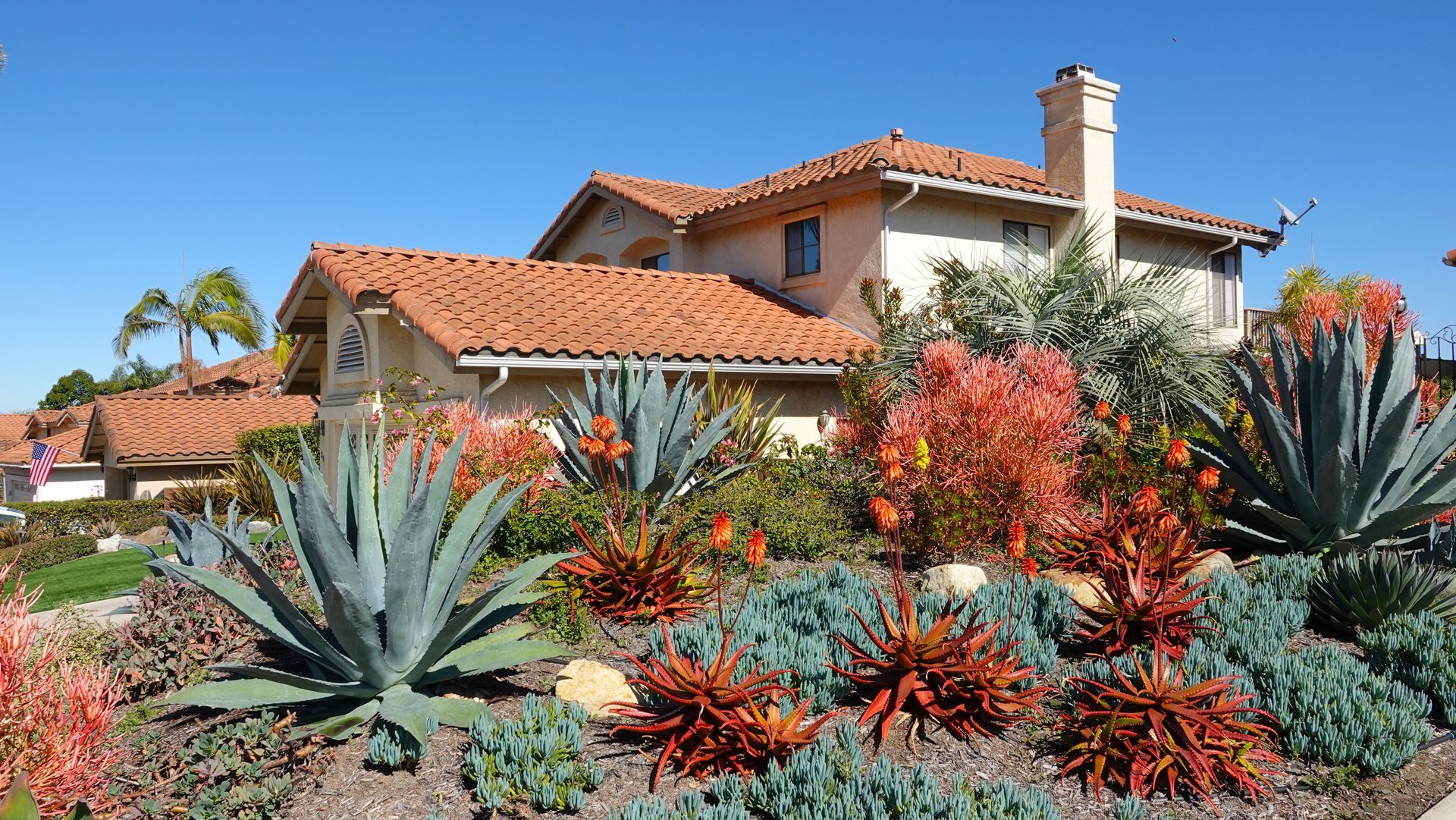
Drought-resistant plants can survive extended periods of limited rainfall. Succulents and cacti are familiar examples, storing moisture in their leaves, stems, or roots. Their unusual shapes and textures introduce distinctive visual features into outdoor spaces.
Other options include lavender, rosemary, sage, and ornamental grasses. These plants tolerate dry conditions while providing attractive flowers, fragrant foliage, and interesting movement. Combining different varieties creates layered planting arrangements with manageable watering requirements.
Planning Seasonal Blooms
Choosing plants with different flowering periods helps maintain visual interest throughout the year. Spring-blooming perennials, summer flowers, and autumn varieties provide changing colors as the seasons progress.
Seasonal planning also benefits pollinators. Plants that produce nectar and pollen at different times provide food sources for bees, butterflies, and other beneficial insects. Combining flowering varieties with ornamental grasses and evergreen shrubs creates a landscape with year-round structure.
Supporting Local Wildlife
Wildlife-friendly plants can turn a water-efficient landscape into a welcoming habitat. Milkweed and bee balm attract pollinators, while berry-producing shrubs provide food for birds. Native grasses and ground covers in xeriscape design offer shelter for beneficial insects and other small wildlife.
Including plants of different heights and densities creates varied habitats while adding movement and natural activity to the landscape. These choices strengthen the connection between residential gardens and surrounding ecosystems.
Adding Trees and Shrubs for Shade
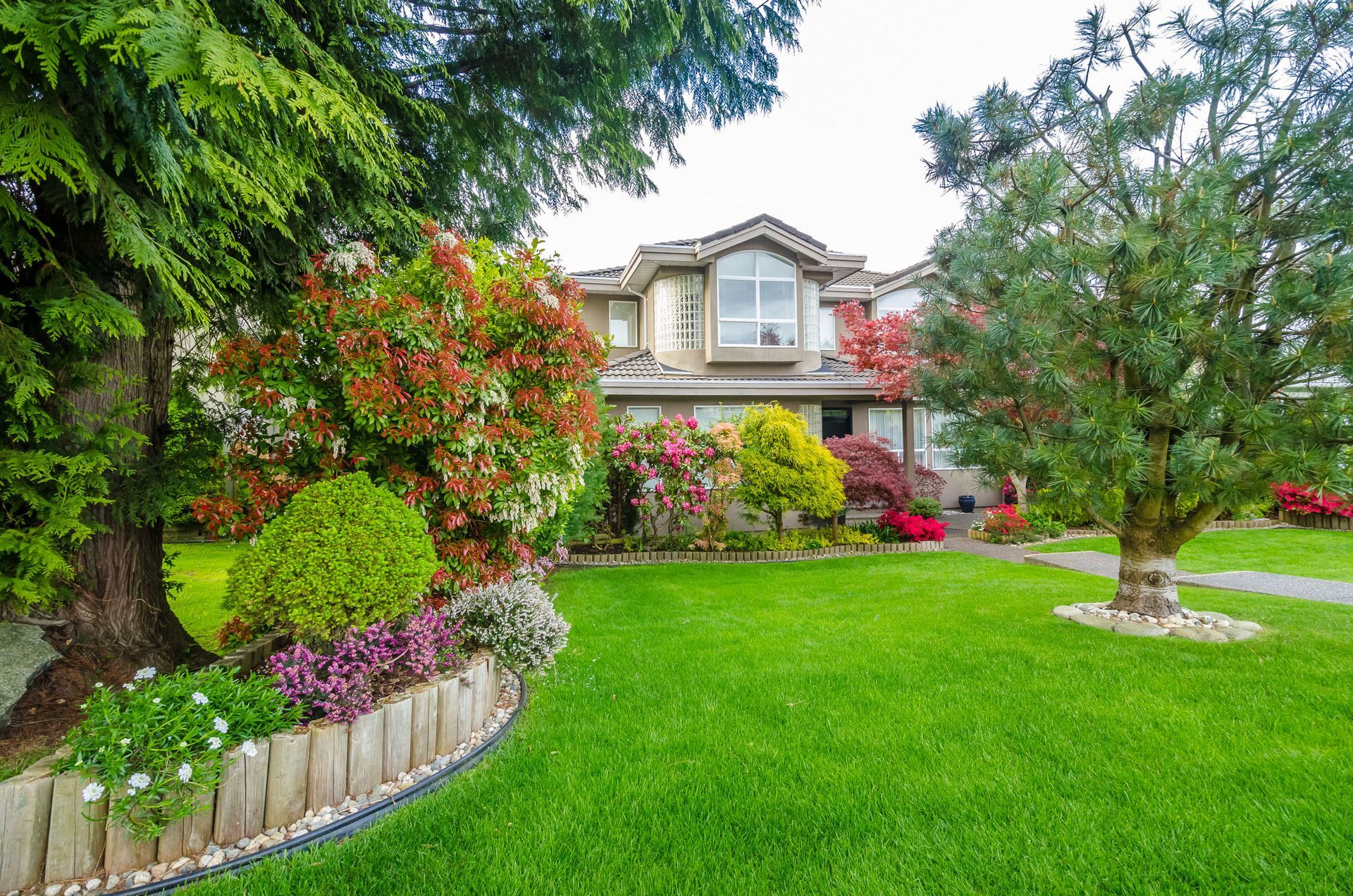
Trees and shrubs contribute to water conservation by shading surrounding soil and reducing direct sunlight. Their canopies help limit evaporation while creating cooler conditions for nearby plants.
Plant selection should account for mature height, canopy width, and compatibility with surrounding vegetation. Proper placement prevents overcrowding and allows sun-loving plants to receive sufficient light. Shade trees also create more comfortable outdoor areas during warmer months.
3. Creating Attractive Landscape Designs
Coordinating Colors and Textures
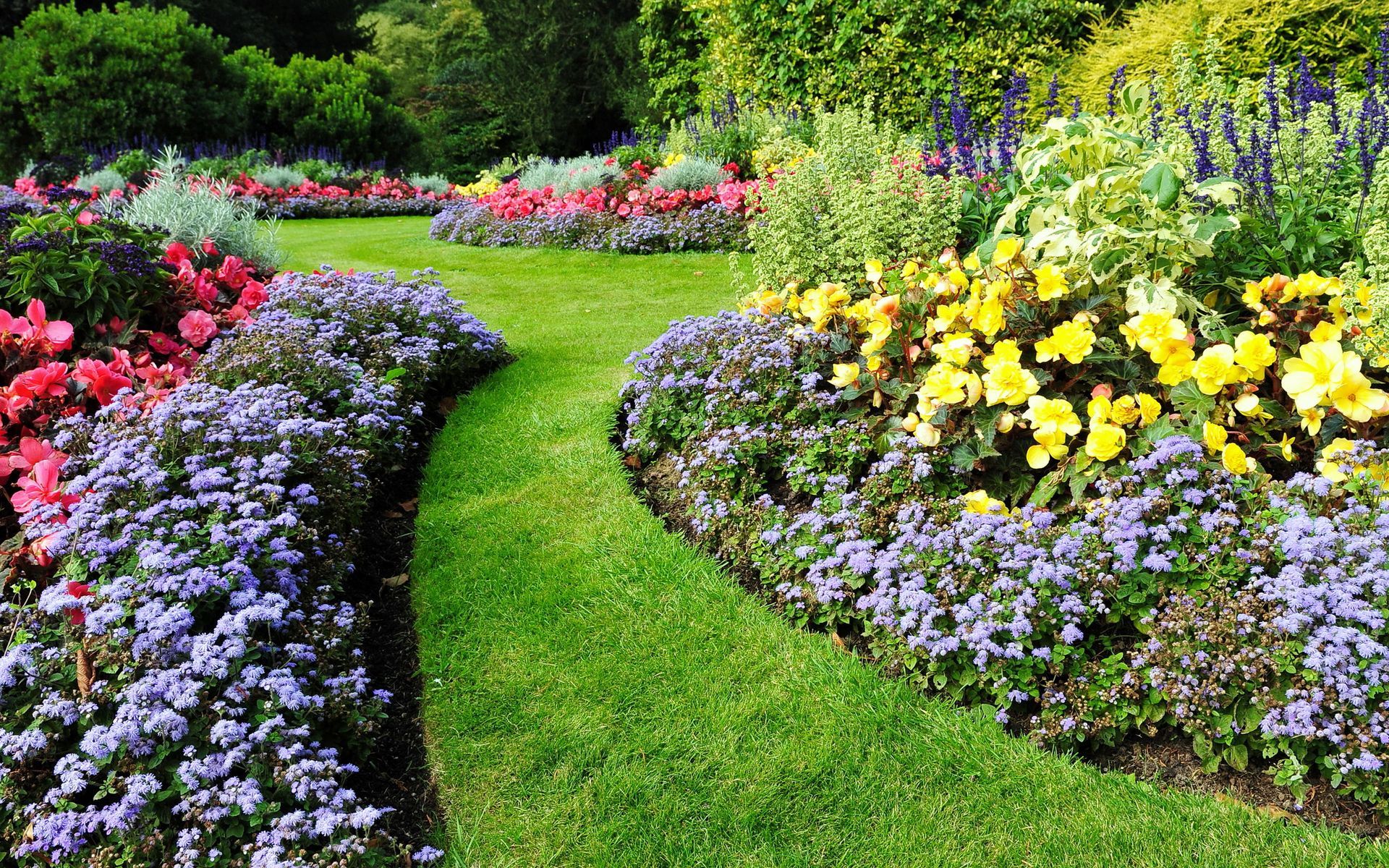
A successful water-efficient landscape should look intentional rather than simply replacing grass with rocks and drought-resistant plants. Coordinating flower colors, foliage, and natural materials creates a cohesive appearance. Complementary colors, such as purple and yellow, introduce contrast, while similar shades of green and blue create a calmer atmosphere.
Texture is equally important. Pairing ornamental grasses with broad-leafed plants, flowering perennials, and decorative stones creates visual variety. Different plant heights and shapes establish focal points without making the landscape appear overcrowded. Repeating certain colors or materials throughout the yard can also connect separate planting areas.
Incorporating Natural Hardscape Features
Hardscape elements provide structure and reduce the amount of vegetation requiring irrigation. Stone pathways, gravel sections, retaining walls, and decorative boulders create functional areas while complementing surrounding plants. These features can also define seating areas, garden borders, and outdoor walkways.
Choosing materials that coordinate with the home's exterior creates a unified appearance. Proper placement also ensures pathways provide convenient access without interfering with plant growth or drainage. Permeable materials can be particularly useful because they allow rainwater to reach the soil instead of contributing to surface runoff.
Balancing Beauty and Maintenance
Low-maintenance landscaping requires more than selecting plants that tolerate dry conditions. Homeowners should consider pruning, seasonal cleanup, irrigation adjustments, and other ongoing responsibilities. Choosing plants with similar maintenance needs makes routine care easier.
Leaving sufficient space between mature plants improves airflow and prevents overcrowding. Clearly defined planting beds and accessible pathways also simplify maintenance. A well-planned xeriscape design combines attractive features with practical arrangements that support long-term performance.
Water-efficient landscaping allows homeowners to reduce water consumption while creating attractive, functional outdoor environments. Native plants, efficient irrigation, healthy soil, and natural design features all contribute to a more sustainable landscape. Homeowners interested in transforming their yards can contact Green Guys to explore landscaping solutions that complement their properties and maintenance goals.