


How Landscapers Can Help Boost Your Homes Curb Appeal
First impressions matter, especially when it comes to residential and commercial properties. The exterior of a home or building sets expectations before anyone steps inside, shaping perceptions of maintenance, value, and overall appeal. A well-kept landscape signals care and intention, while neglected outdoor spaces can detract from even the most beautiful structures. As properties age and surroundings change, outdoor areas require thoughtful planning and ongoing attention to remain functional and visually appealing.
Landscapers play an important role in shaping, maintaining, and enhancing outdoor environments. Their work extends beyond aesthetics, influencing how properties are used, how they age, and how they are perceived over time. By addressing design, maintenance, plant health, and long-term planning, landscapers support both curb appeal and responsible property care. Their expertise helps ensure that outdoor spaces remain welcoming, practical, and aligned with the evolving needs of property owners.
Enhancing Visual Balance and Exterior Presentation
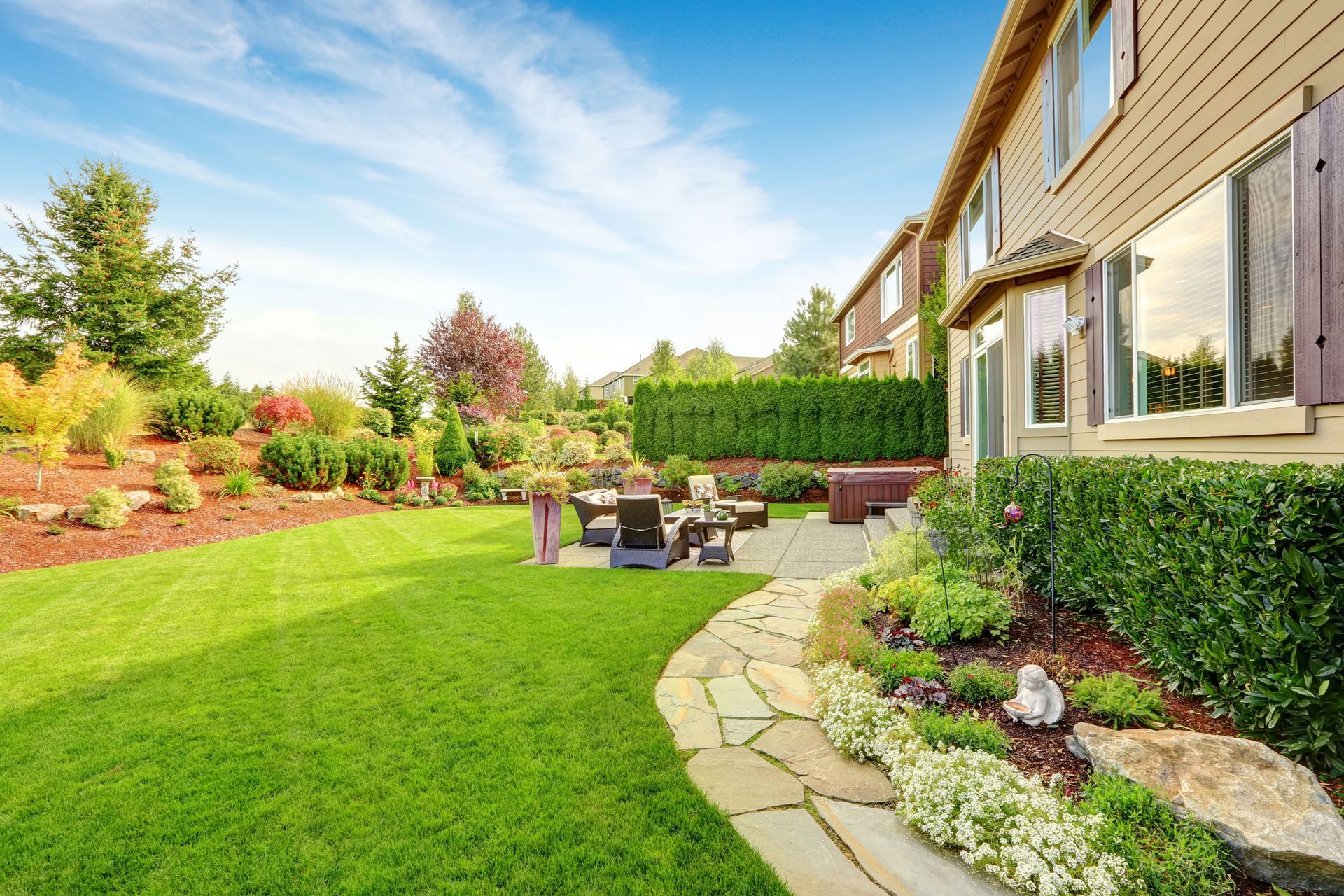
Curb appeal begins with visual balance. The arrangement of plants, hardscape features, and open space determines how a property feels from the street or driveway. Landscapers assess sightlines, symmetry, scale, and proportion to create an exterior that feels cohesive rather than cluttered or uneven. This approach ensures that the home remains the focal point while the surrounding landscape complements its architectural style instead of competing with it for attention.
Thoughtful plant placement contributes significantly to this balance. Varying plant heights, textures, and colors adds depth without overwhelming the space or creating visual noise. Landscapers understand how to layer trees, shrubs, and ground cover so that each element enhances the overall design while allowing individual features to stand out naturally. Seasonal considerations also factor into these decisions, ensuring that the property maintains interest throughout the year rather than peaking during a single season and appearing dormant or unfinished during others.
Hardscape features such as walkways, edging, patios, and retaining walls further define the landscape and provide visual structure. Proper alignment, spacing, and material selection help guide movement while reinforcing clean lines and intentional transitions between spaces. Through careful planning and placement, landscapers create outdoor environments that feel polished, welcoming, and visually inviting from every angle, contributing to a strong and lasting first impression.
Supporting Healthy Plant Growth and Longevity
A visually appealing landscape relies on healthy plants. Without proper care, even the most thoughtfully designed outdoor space can decline quickly. Landscapers bring knowledge of soil conditions, sunlight exposure, and watering requirements to support long-term plant health. These factors vary widely from property to property, making professional assessment essential.
Plant selection is a key part of this process. Landscapers choose species suited to the local climate and soil, reducing stress on plants and minimizing maintenance challenges. When plants are well-matched to their environment, they are more resilient to weather fluctuations and pests. This approach supports sustainable property care rather than short-term visual fixes.
Ongoing maintenance reinforces this foundation. Pruning, fertilization, and disease management help plants grow evenly and maintain their shape. Landscapers monitor signs of stress or decline, addressing issues early before they affect the broader landscape. Over time, this attention preserves the structure and appearance of outdoor spaces while protecting the investment made in the initial installation.
Maintaining Lawns and Ground Cover Areas
Lawns and ground cover areas often occupy the largest portion of a property’s landscape, making their condition especially noticeable. Uneven growth, thinning grass, compacted soil, or bare patches can detract from curb appeal and signal neglect to visitors and passersby. Landscapers manage these areas with a focus on consistency, health, and long-term performance to ensure the landscape appears well cared for throughout the year.
Proper mowing techniques play a significant role in lawn health. Cutting grass at appropriate heights encourages deeper root growth and improves resilience during dry or hot conditions. Landscapers also adjust mowing schedules based on seasonal growth patterns, grass type, and weather conditions, avoiding practices that can weaken turf over time or contribute to stress and disease.
Beyond mowing, soil health and drainage are critical considerations. Aeration, overseeding, and soil amendments help lawns retain nutrients and moisture more effectively while reducing runoff and compaction issues. Landscapers evaluate these conditions regularly, making adjustments that improve overall coverage, color consistency, and durability. The result is a lawn or ground cover area that enhances the property’s visual appeal while supporting responsible land management and sustainable outdoor care.
Improving Property Value Through Outdoor Care
Well-maintained landscapes do more than enhance appearance; they contribute to perceived and actual property value. Buyers and visitors often associate exterior condition with overall upkeep, making landscaping a meaningful factor in property assessments. Thoughtful outdoor care communicates that a property has been consistently maintained rather than neglected.
This connection between landscaping and value is supported by market research. According to Bankrate, landscaping can increase a home’s resale value by an average of 15 to 20 percent. This statistic highlights how outdoor improvements influence buyer perception and long-term investment potential. Landscapers help property owners achieve these benefits by focusing on sustainable improvements rather than temporary enhancements.
Functional features such as defined walkways, clear entry points, and usable outdoor spaces also contribute to value. Landscapers design environments that feel practical as well as attractive, ensuring that outdoor areas serve everyday needs. Over time, this balance between form and function supports both enjoyment and financial considerations.
Managing Seasonal Changes and Environmental Impact
Outdoor spaces are constantly affected by seasonal changes. Temperature shifts, rainfall patterns, and plant dormancy cycles all influence how landscapes perform throughout the year. Landscapers anticipate these changes and adjust care strategies accordingly to maintain consistency and protect property features.
Seasonal cleanups are an essential part of this process. Removing debris, managing leaf buildup, and preparing plants for colder months help prevent damage and disease. In warmer seasons, landscapers focus on irrigation efficiency and plant protection during periods of heat stress. These adjustments reduce strain on plants while supporting overall landscape stability.
Environmental responsibility also plays a role in modern property care. Landscapers often incorporate practices that reduce water waste, support native plant species, and improve soil health. These methods not only benefit the environment but also contribute to lower maintenance demands over time. By aligning seasonal care with environmental considerations, landscapers help properties remain resilient and adaptable.
Creating Long-Term Outdoor Care Strategies
Effective landscaping is not limited to individual tasks or seasonal projects. Long-term planning ensures that outdoor spaces continue to meet property needs as conditions change. Landscapers work with property owners to develop care strategies that account for plant maturity, evolving usage, and future improvements.
As plants grow, their needs and impact on surrounding areas shift. Trees may require structural pruning, while shrubs may need thinning to maintain balance. Landscapers anticipate these developments, adjusting maintenance plans to prevent overcrowding or interference with structures. This proactive approach protects both the landscape and the property itself.
Long-term strategies also consider how outdoor spaces are used. Changes in family size, lifestyle, or accessibility needs may influence landscape design and maintenance priorities. Landscapers adapt plans to reflect these shifts, ensuring that outdoor environments remain functional and welcoming. Through consistent evaluation and adjustment, landscapers support property care that evolves alongside the people who use it.
By addressing aesthetics, plant health, functionality, and long-term planning, landscapers play a vital role in maintaining curb appeal and responsible property care. Their expertise helps properties remain visually appealing, structurally sound, and adaptable over time. Call Green Guys today to schedule your landscaping service.


Share On: